The post Firefly Named One of 2025’s Best Places to Work in Indiana appeared first on Firefly Children and Family Alliance.
]]>
Firefly Children & Family Alliance was recently named one of the 2025 Best Places to Work in Indiana. This marks the 20th edition for the Indiana Chamber of Commerce initiative.
The statewide survey and awards program is designed to evaluate participating organizations and honor those with the highest levels of employee satisfaction and engagement in the workplace.
“The Best Places to Work program is a great way for organizations to take the temperature of their culture and how it’s resonating with today’s workers,” says Indiana Chamber President and CEO Vanessa Green Sinders. “We salute each of this year’s winners for their commitment to displaying best practices in their workplaces, which are enabling them to attract and retain employee, as well as drive increased productivity and overall success.”
Organizations from across the state entered the two-part survey process to determine the Best Places to Work in Indiana. The first part consisted of evaluating each nominated workplace’s policies, practices, philosophy, systems and demographics. The second part consisted of an employee survey to measure the employee experience.
The combined scores determined the top companies and the final rankings. Workforce Research Group managed the overall registration and survey process in Indiana, analyzed the data and determined the honorees and rankings.
“Firefly is honored to be recognized as one of Indiana’s Best Places to Work,” says Firefly President and CEO Tina Cloer. “Our work to empower individuals to build stronger families and communities across the state is not possible without the care and dedication of our staff.”
Best Places to Work in Indiana winners were selected from five categories: small companies of between 15 and 34 U.S. employees; small-medium companies of between 35 and 74 U.S. employees; medium companies of between 75 and 249 U.S. employees; large companies of between 250 and 999 U.S. employees; and major companies with 1,000 or more U.S. employees. Out-of-state parent companies were eligible to participate if at least 15 full-time employees are in Indiana.
The rankings will be announced at an awards ceremony April 30, 2025, and then published in the Indiana Chamber’s BizVoice® magazine after the event.
The post Firefly Named One of 2025’s Best Places to Work in Indiana appeared first on Firefly Children and Family Alliance.
]]>The post Kris’ Corner – Coping Mechanisms appeared first on Firefly Children and Family Alliance.
]]>But that’s not really what I came here to talk about today. I’d like to talk about the coping mechanisms we might see in the kids in care, and how we *might* help them reframe those unhealthy habits into more helpful ones. It’s not a definite that we will be able to accomplish that, but I wanted to provide you with some tips and tricks to at least try.
We all know that kiddos in care are coping with an incredibly stressful situation…even more so than being the foster parent (which is also stressful, as you probably know): leaving behind everything and everyone you know, possibly leaving behind all your possessions, living with total strangers, going to a new school, riding with another stranger to and from visits with your family of origin, talking with other visitors to the home (either weekly or monthly), being separated from your siblings…and the list could go on. Those are just a few of the things a child in care might be dealing with.
As a result of those sudden changes in his life, a child might be (read: more than likely is) grieving, depressed, anxious, or a combination of the three. And even though they are going through so much emotional turmoil, there is often still a “honeymoon period” in the new foster home. The child will often be compliant, helpful, kind, respectful, etc. This is also a defense mechanism, but it might not last as long as the next stage of grief.
And these feelings, as you may or may not know, can look like many other things (including but not limited to the following):
- denial
- disbelief
- sadness
- emptiness
- loneliness (this especially if they are not only removed from parents but also separated from siblings)
- guilt (they may somehow feel responsible even though it is not their fault)
- anger
- resentment
- fear
- anxiety
As an example, we often use the phrase “mad can look like sad” in our house. For the longest time, we could not figure out why our child was angry about things…until one day we discovered (quite by accident) that his “mad” was, in fact, “sad”. Game-changer.
So to go along with those feelings of grief, depression or anxiety, here are a few of the unhealthy coping mechanisms you may or may not see from your kiddo (obviously there are more…this is clearly not an exhaustive list):
- start smoking or smoking more,
- start drinking alcohol or drinking more,
- start taking drugs or taking more,
- gambling,
- over-spending money,
- stealing,
- self-harming,
- restricting or binging and purging food,
- over-eating,
- sleeping too much or not enough,
- and feeling driven to have an “adrenalin rush” with dangerous activities
Now…I am no expert but I have read a lot about trauma and have lived with it in my home for over 10 years. But my recommendation for helping a child work through some of their grief is Trust Based Relational Intervention (TBRI). If you aren’t familiar with TBRI, I suggest taking a crash course in it. Some organizations offer shortened versions of the training. You can do the full 7+ hours of training right through the official website if you are so inclined. You can find videos on YouTube which will help you better understand the basic tenets. Either read or listen to the audiobook of “The Connected Child” by David R. Cross, Karyn B. Purvis, and Wendy Lyons Sunshine. Another way to look at this is by using something called “low-demand parenting” (which I am actually going to tackle in my next post, so stay tuned for more!).
Bottom line: prioritize the relationship with the child. If the child is struggling, don’t push them away to their room…draw them closer to you (not necessarily physically, which might not be appropriate for a child who has suffered trauma) but maintain close proximity to them…in the same room, the same couch, etc. Be engaged with them, rather than being attentive to your phone (I say this because for many of us, the phone is our coping mechanism and if you are trying to help a child “come back online” and re-regulate, if you’re sitting there but are ignoring them, then you’re not helping…and possibly hurting the relationship.)
Additionally, consider finding a support group for your child. They might not be ready (at least initially) to talk to a therapist, but they might be willing to talk to other kids in a similar situation. Helping them see and understand that they’re not alone in their grief may be very beneficial.
I know I’ve barely scratched the surface on this and there is much more I could share…but I wanted to give you a jumping off point from which you could do you own research, depending on what your child is showing you they need.
Sincerely,
Kris
The post Kris’ Corner – Coping Mechanisms appeared first on Firefly Children and Family Alliance.
]]>The post Kris’ Corner – Grief in Foster Care appeared first on Firefly Children and Family Alliance.
]]>However, as I mentioned, it can sometimes be devastating to a foster family, especially if they are a pre-adoptive home and the wheels were in motion for adoption. But that’s not the intent of my blog today. There are others types of grief associated with foster care that I’d like to acknowledge…and affirm you if you’ve ever felt any of these. These may include (but are not limited to) the following list:
- when you get what you wanted and a child does stay in your care but then things don’t end up looking like you thought (often much more difficult).
- when you think you have a handle on what a child’s diagnosis is (or diagnoses are), but it turns out to be so much more.
- when a child is older and comes into care, you think you have a pretty good picture of what is happening…but it was just a honeymoon period.
- when an infant or toddler comes to your home, you won’t know until the child grows and matures to discover exactly what kind of issues or delays or diagnoses he has.
- when the biological parents charge you with abuse or neglect.
- when you are maxed out on caring for kids with trauma but your placement’s biological mother had another baby and asked you to take them.
- when you got into this to help children from hard places and it’s just not at all like you thought it would be.
- when it feels like you’re beating your head against the wall, and no progress is being made.
- when you even feel like you’re not only NOT moving forwards but are, in fact, moving backwards.
- when it’s hard and it’s frustrating and disappointing and discouraging.
All of these can be really difficult. And grieving any one of those things: that’s kind of the grief that I’m talking about.
And a lot of times it leads to not only feelings of grief but possibly even remorse; that can definitely feel like a dark place. And when that happens, please know that you are not alone in feeling that way; the grief is absolutely real and even though not everyone may understand it (especially if they are not in the world of foster care), that does not minimize the things you are feeling.
It’s when those feelings and thoughts persist, you MUST reach out and ask for help. Find a support group. Call a friend who has been supportive and understanding of your foster care journey. Get a counselor (there are some really great counselors available virtually if you aren’t available to see one in person or your schedule is limited). There is no shame in any of that…no matter what someone else may try to tell you.
Also, if your child is adopted, you can get assistance through Post Adoption Services. If they are a child still in care, your agency (Firefly Children and Family Alliance) is often going to be an amazing resource for help. But other times, I have found, the grief just hits me out of the blue and it’s not pervasive but instead it’s a moment (or maybe even a day) in which I feel down, discouraged or pessimistic…and for that, I have a suggestion to try.
It’s not always going to be the answer for everyone and I would not dare suggest that it is. But here it is…food for thought, if nothing else, to get through the grief-filled moments. When I’m feeling at the end of my rope, I set a timer for a few minutes (maybe 10), and let myself grieve the fact that things aren’t looking like I thought. I cry a little bit if I need to (I often do), then when the timer goes off, I wipe my face and keep doing the work that I’ve been doing.
Now…does that mean that anything got easier? No. Does it always get me out of my funk? No. Is the grief I feel at times more than this coping strategy can help? Yes. But sometimes simply having that emotional release and acknowledgment of what you’re feeling can improve your outlook and allow you to continue with the important and necessary work of foster parenting.
Sincerely,
Kris
The post Kris’ Corner – Grief in Foster Care appeared first on Firefly Children and Family Alliance.
]]>The post Kris’ Corner – Ways that Schools Can Help Kids in Care appeared first on Firefly Children and Family Alliance.
]]>First of all, just being aware of the potential triggers we discussed last time and aiming to avoid them if at all possible would be a huge step for kids coming to school who have been removed from trauma. And beyond that are various other ways that the school/teachers can be supportive of kids in care, as well as their biological and foster parents.
And before I list them, let me say this: I know that it might be difficult for you, as a foster parent, to approach the school about all of this but maybe decide which two or three would be the most impactful and beneficial for your child and bring those to the school’s attention. Then if that goes well, maybe mention some others. But that’s just my two cents.
All that is to say: here are a few thoughts that I (and a few contributing others) have about how the school can help kids in care.
• Using words like “grownup” or “adult” instead of “parent” fosters a sense of belonging for all the kids, not only kids in care
• Consideration given when doing family tree / baby photo / family-related projects or classroom discussions
• Going one step further with that: allowing the student to make two Mother’s Day or Father’s Day gifts, or Christmas/holiday gifts, so there is one for birth family and one for foster family (if they choose)
• Contacting the foster parents ahead of time (if possible) when there will be a substitute teacher
• Offering Trust Based Relational Intervention (TBRI) / Trauma-informed training for all staff
• Giving grace to a student who misses class due to court, a parent visit, etc.
• Providing space in the classroom (or somewhere in the school) where a child can have a sensory break or “calm-down space”; can be as simply as a small tent, enclosed swing, etc.
• Allowing a bathroom break for the child whenever needed
• Allowing the student to eat a snack or get a drink of water whenever needed
• Offering friend/support/grief groups on site for kids in care, facilitated by trained adult(s)
• Extending grace to the child each day; teachers and staff giving a clean slate and letting mistakes or issues of the previous day not be held over to the next
• An understanding on part of the principal and teacher(s) that the child might struggle from Day 1, of maybe after a “honeymoon period.” Whenever the child shows signs of struggling, then is the time to act – not “wait and see.”
• Additionally, moving quickly on IEPs and 504s (which can often take a long time) in order for a child to receive accommodations and helps immediately
• Having visual schedules for “what happens next” so there are no surprises, and making sure to discuss any changes in plans to the regular school day schedule
• Help caregivers/foster parents/kinship establish support services such as free breakfast and lunch
As with all things on this blog this is clearly not an all-encompassing list, but hopefully it gives you a jumping off point and gives you enough suggestions which would benefit your child that you can go to the administration to advocate effectively.
Sincerely,
Kris
The post Kris’ Corner – Ways that Schools Can Help Kids in Care appeared first on Firefly Children and Family Alliance.
]]>The post Kris’ Corner – ACE and PACE appeared first on Firefly Children and Family Alliance.
]]>First we will start with the ACE Quiz. “ACE” stands for Adverse Childhood Experiences and an ACE score is a tally of different types of abuse, neglect, and other characteristics of a potentially difficult childhood. According to the ACE study, which developed the quiz, the more difficult your childhood, the higher your score is likely to be; this can translate into emotional effects in the short and long term, but also a higher risk for later health problems. To better help you understand the ACEs Quiz, here it is:
Prior to your 18th birthday:
1. Did a parent or other adult in the household often or very often: Swear at you, insult you, put you down, or humiliate you? Or, act in a way that made you afraid that you might be physically hurt?
No___If Yes, enter 1 __
2. Did a parent or other adult in the household often or very often: Push, grab, slap, or throw something at you? Or, ever hit you so hard that you had marks or were injured?
No___If Yes, enter 1 __
3. Did an adult or person at least 5 years older than you ever: Touch or fondle you or have you touch their body in a sexual way? Or, attempt or actually have oral, anal, or vaginal intercourse with you?
No___If Yes, enter 1 __
4. Did you often or very often feel that: No one in your family loved you or thought you were important or special? Or, that your family didn’t look out for each other, feel close to each other, or support each other?
No___If Yes, enter 1 __
5. Did you often or very often feel that: You didn’t have enough to eat, had to wear dirty clothes, and had no one to protect you? Or, that your parents were too drunk or high to take care of you or take you to the doctor if you needed it?
No___If Yes, enter 1 __
6. Were your parents ever separated or divorced?
No___If Yes, enter 1 __
7. Was your mother or stepmother often or very often pushed, grabbed, slapped, or had something thrown at her? Or, sometimes, often, or very often kicked, bitten, hit with a fist, or hit with something hard? Or, ever repeatedly hit over at least a few minutes or threatened with a gun or knife?
No___If Yes, enter 1 __
8. Did you live with anyone who was a problem drinker or alcoholic, or who used street drugs?
No___If Yes, enter 1 __
9. Was a household member depressed or mentally ill, or did a household member attempt suicide?
No___If Yes, enter 1 __
10. Did a household member go to prison?
No___If Yes, enter 1 __
Now add up your “Yes” answers: ___ This is your ACE Score.
I wanted to talk about this because many children in foster care have high ACE scores. In fact, approximately 50 percent of children in the child welfare system have four or more ACEs; comparatively, only 13 percent of children outside of foster care have four or more ACEs. Additionally, according to a recent study, “Children in foster care are at least five times more likely to have anxiety, depression and/or behavioral problems than children not in foster care.” Long term, individuals with high ACE scores also typically have an increase in physical health ailments as well, some resulting in earlier deaths.
Now what does all this mean for you as a foster parent? Well, it could mean that your child will have many struggles and obstacles to overcome. But my point in this post is not to be all “gloom and doom.” Keep in mind that even though it is an indicator of difficult past circumstances, the ACE quiz is not necessarily prophetic. It does not mean that what *could* happen *will* happen; people with high ACE scores can still be very successful and do well in life, and can even counteract some of the potential pitfalls of early childhood trauma.
Bottom line: all the ACE score does is tell you about one type of risk factor among many. It does not keep in mind a child’s genetics or diet. It does not know if the child (we’re going to assume a teenager with this behavior but unfortunately it is not unheard of for younger children) drinks or smokes excessively, or does illegal drugs, all of which would affect emotional and physical health.
But most importantly remember this also: ACE scores don’t take into consideration the positive experiences in early life that can help build resiliency and safeguard a child from the effects of trauma. This is where the PACEs come into play; PACE stands for Protective and Compensatory Experiences (I have also seen it as PCEs, and stands for Positive Childhood Experiences – it’s the same quiz and has the same effects, it’s simply a different name).
Here is the PACEs Quiz:
Prior to your 18th birthday:
1. Did a parent or other adult in the household love you unconditionally (you did not doubt that they cared about you)?
No___If Yes, enter 1 __
2. Did you have at least one best friend (someone you could trust and have fun with)?
No___If Yes, enter 1 __
3. Did you do anything regularly to help others (e.g., volunteer at a hospital, nursing home, church) or do special projects in the community to help others (food drives, Habit for Humanity, etc)?
No___If Yes, enter 1 __
4. Were you regularly involved in organized sports groups (e.g., soccer, basketball, track) or other physical activity (e.g., competitive cheer, gymnastics, dance, marching band)?
No___If Yes, enter 1 __
5. Were you an active member of at least one civic group or non-sport social group such as scouts, church or youth group?
No___If Yes, enter 1 __
6. Did you have an engaging hobby, or an artistic or intellectual pastime either alone or in a group (e.g., chess club, debate team, musical instrument or vocal group, theater, spelling bee, or did you read a lot)?
No___If Yes, enter 1 __
7. Was there an adult (not your parent) you trusted and could count on when you needed help or advice (e.g., coach, teacher minister, neighbor, relative)
No___If Yes, enter 1 __
8. Was your home typical clean AND safe with enough food to eat?
No___If Yes, enter 1 __
9. Overall, did your schools provide the resources and academic experiences you needed to learn?
No___If Yes, enter 1 __
10. In your home, were there rules that were clear and fairly administered?
No___If Yes, enter 1 __
Now add up your “Yes” answers: ___ This is your PACE Score.
As you can probably tell from the PACEs quiz, by virtue of simply having a parent who loves you, a teacher who understands and believes in you, or a trusted neighbor in whom you can confide in may diminish many of the long-term effects of early childhood trauma; just one caring, safe relationship early in life gives any child a much better shot at growing up healthy.
Additionally, community involvement, hobbies and committed involvement in engaging activities also increase the PACEs score. These positive early interactions have been shown to also help children with later learning and literacy. More importantly, they boost kids’ resilience, by helping them build secure attachments…which is a skill they will take with them and use throughout their lives.
Hopefully these quizzes help you have a better understanding of trauma and how it effects children going forward…and also the benefits of secure attachment relationships.
Sincerely,
Kris
The post Kris’ Corner – ACE and PACE appeared first on Firefly Children and Family Alliance.
]]>The post Kris’ Corner – What is CCDF? appeared first on Firefly Children and Family Alliance.
]]>Now…first to define CCDF for you: it is a program designed to ensure that low-income families in Indiana have equal access to child care and educational opportunities. Firefly Children and Family Alliance (with whom you may have your foster care license) provides eligibility determination services for families accessing the CCDF program; to be clear, CCDF does not go through the foster care licensing department, but it is the same overall organization.
So in short, the CCDF program allows parents/foster parents to work while their child is in safe, high-quality, and licensed childcare. To get the ball rolling on the process, you need a referral from either your agency or DCS (if you are not with an agency). If you are with an agency (such as Firefly) you would contact the licensing department prior to applying for your CCDF so they can submit the appropriate paperwork. If you are with DCS, you would contact the licensing department for your county so they can so the same. One thing to note: you must have a placement in your home in order to apply, because the application is for a specific child or children; it is not a generic application for you to receive childcare for any foster child.
Once the paperwork has been filled out by the state representative for DCS (which basically determines that you are a foster parent and has approved your ability to apply), then you can proceed with your application.
As a foster parent, here are the stipulations for you, as listed on the CCDF website:
- Be a foster parent who is working, attending training, or going to school
- Have proof of identity for all family members
- Be a resident of the county where you are applying for assistance
- Children receiving care must be under 13, or a child over the age of 13 with documented special needs until 18th birthday
- The child receiving assistance must be a U.S. citizen or qualified legal alien
Please note that there are income guidelines for non-foster parents who apply, but this does not apply to foster parents who are needing care for a foster child. However, you WILL have to submit your paystubs as part of the process. You do not have to financially qualify, but the paystubs will confirm that you are working (or both of you are working full-time if you are fostering with a partner) and are in need of CCDF.
And now for the absolutely very best news in this entire process: as a foster parent, you will jump to the head of the line; there is currently a lengthy wait to receive CCDF but foster parents move to the front of the waitlist.
So I know I went through this kind of quickly and maybe didn’t answer all your questions. If you do need additional information or have questions, feel free to email ccdfvouchers@FireflyIN.org or call 1-866-287-2420.
Sincerely,
Kris
The post Kris’ Corner – What is CCDF? appeared first on Firefly Children and Family Alliance.
]]>The post Kris’ Corner – What is Mixed Maturity? appeared first on Firefly Children and Family Alliance.
]]>But there is another diagnosis which might seem more in line with something your child is displaying, and that is mixed maturity. Mixed maturity means that a child of a specific chronological age may behave like someone much younger in some situations and in other situations like someone much older.
Now, to be clear, most people have mixed maturity to some degree…you might have areas of your personality in which you are extremely mature and others less so. That’s not what I’m talking about. What I mean is when there are gaping differences in maturity in the same child, depending on the situation. When a child has experienced trauma, their maturity may hamper their integration of sensory, cognitive and emotional abilities into a functioning whole. Trauma can impact a child’s brain in complex ways and the type and the timing of the neglect or abuse can affect their brain’s development.
This is not an all-inclusive list, but here are a few signs of mixed maturity:
- Emotional Dysregulation is when a child feels (and acts accordingly) distressed, anxious or dysregulated for no apparent reason. There is probably a trigger, whether they are aware of it or not…their nervous system is aware of it.
- Physical/Somatic Symptoms that are unexplained or seem to happen for no reason (but are related to a stress response/trauma response. These might include (but are not limited to) insomnia, dizziness, fibromyalgia, irritable bowel syndrome, chronic migraines, or chronic fatigue.
- Age Regression is when a child’s behavior reverts to a much younger maturity due to a trauma or stress response. This is most like dysmaturity, but includes other symptoms which bring it under the mixed maturity heading.
- Arrested Psychological Development is when a child is unable to emotionally mature or is very slow to progress due to the trauma or neglect they have experienced.
I don’t know if any of this will apply to you either now or in the future, but it’s always something to look for and consider as you’re helping the child in your care heal and work to be their best self.
Sincerely,
Kris
The post Kris’ Corner – What is Mixed Maturity? appeared first on Firefly Children and Family Alliance.
]]>The post Kris’ Corner – Making Friends as a Foster Parent appeared first on Firefly Children and Family Alliance.
]]>Why would this need to be a thing? Can’t the people who have been our friends continue to be our friends? Absolutely…however, the foster parent journey is like nothing I (or probably you as well) have ever done and there are things about it which truly only other foster parents will understand: the different type of parenting it often requires, the isolation which sometimes happens, the grief of a reunification, the rollercoaster of emotions it can bring, and the potential burnout…just to name a few.
So now that we’ve established the need for other foster parent friends, can we just go get them without any trouble? Well let’s be honest…finding friends as an adult can be tricky in and of itself. You don’t necessarily have that same carefree spirit like you did as a kid on the playground. We can’t ask an adult to just swing on the swings or play a game of tag. It almost feels like some weird little “dance”; I suppose the adult equivalent is asking somebody to get coffee.
And I realize that this all might just be me, but even asking someone to grab coffee to get to know them can really feel like putting yourself out there. And then if you add the layer of foster parenting, and finding friends who understand (not just who want to understand or just seem really nice), that increases the difficulty in finding a good friendship match.
And THEN add in the caveat of finding people who parent the same way you do in the foster care journey. If you’re new to this and haven’t had a placement just yet or have only recently taken your first placement, you might not know that parenting a child in care typically can’t be the same as parenting a biological child. I’m definitely not an expert by any means, but I’ve been around this scene for a while now and I have found that just because someone is a foster parent does not mean that we are going to make the same choices and parent in the same way.
For instance, if you’ve read any of my previous posts, you may know that we have chosen to go all in on trust based relational intervention (TBRI); not just for our foster/adopted child though, but all of our kids (it can, and should in my opinion, be used on all children). I even use TBRI on my husband at times. But not everyone chooses to use TBRI. And of course that’s totally fine. I don’t mean this as a judgment, it just means that more than likely I’m not going to have a connection (or as strong of a connection) with fellow foster parents if we are not on the same parenting page.
So all that said: how does one go about finding other foster parent friends who line up nicely with our choices? My biggest push would be to go to the places where other foster parents will be. First off: ask your agency! Firefly has many amazing foster parents and I guarantee if you ask for them to help connect you with other like-minded foster parents, they will be glad to do that! I found one of my dearest foster mom friends this very way!
You can also find them through support groups. These can be virtual or in person. Or both. Go to conferences or workshops or lunchtime trainings hosted by your agency or other organizations; go to anything you can to find like-minded people. If you are on social media, look for online support groups.
Also on social media, simply posting tiny snippets of your journey on your personal page waves little “flags” to tell friends what you’re what you’re doing and how you’re doing it… it might draw in others that you don’t even know are on the journey. Or friends and family who know other foster parents will connect you with them. I’ve personally made several delightful connections through friends of friends or friends of family. You honestly just never know how and when a relationship might come about…but also you do have to seek it out. Just like with non-foster parent friends, it won’t happen without effort.
And one last thing I want to say to encourage you to seek out these friendships, because they can be symbiotic: you never know who you might be able to help and support in their journey. I’m not sure to whom I should credit this, but I have thought about this idea so many times over the years: your experience might end up being a lifeline to someone else.
As I’ve talked about before, no one can do this alone…you can’t be a foster parent in a silo. Well, you can, it’s just going to be exponentially more difficult, and no one needs to make foster parenting more difficult.
Sincerely,
Kris
The post Kris’ Corner – Making Friends as a Foster Parent appeared first on Firefly Children and Family Alliance.
]]>




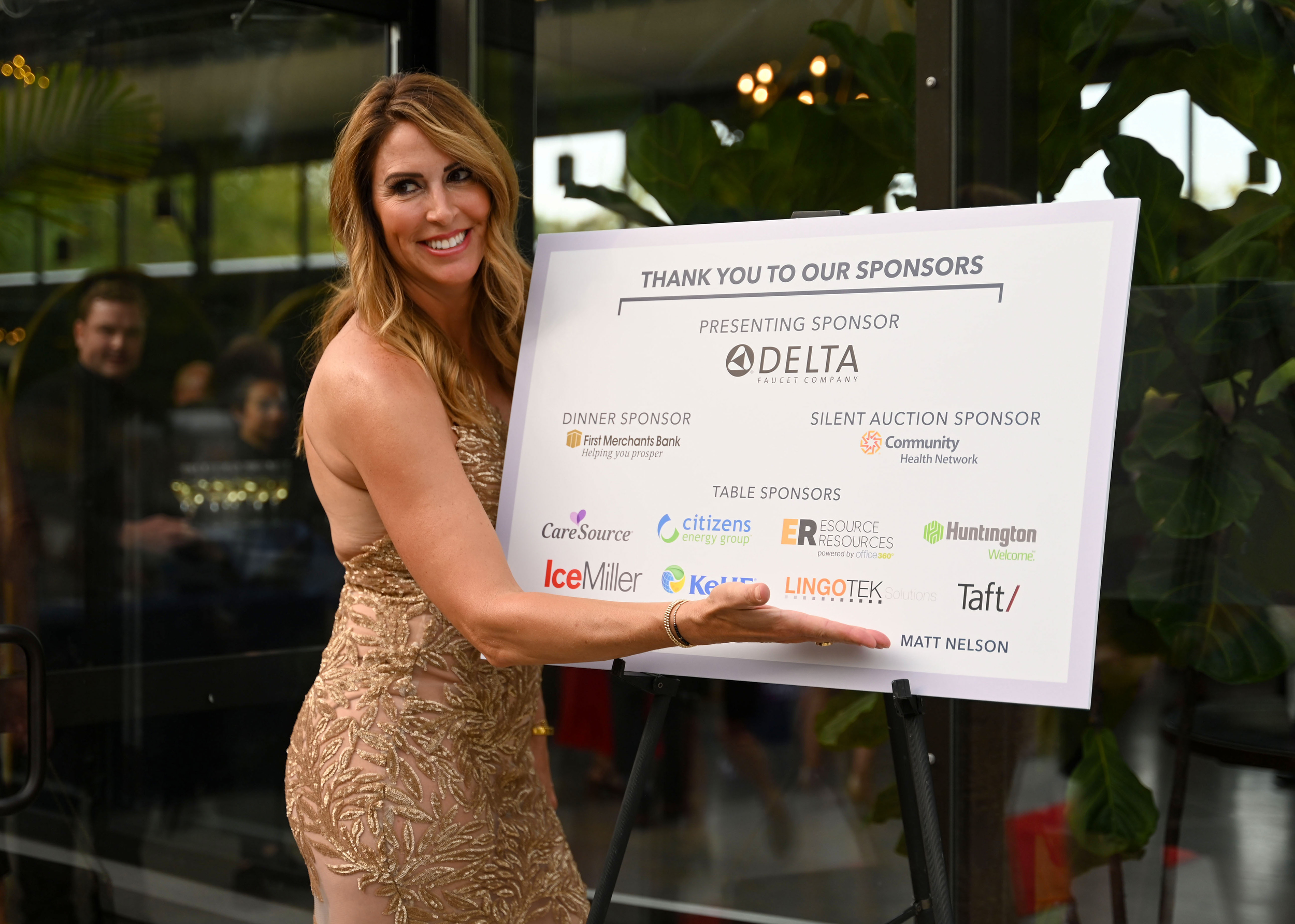






















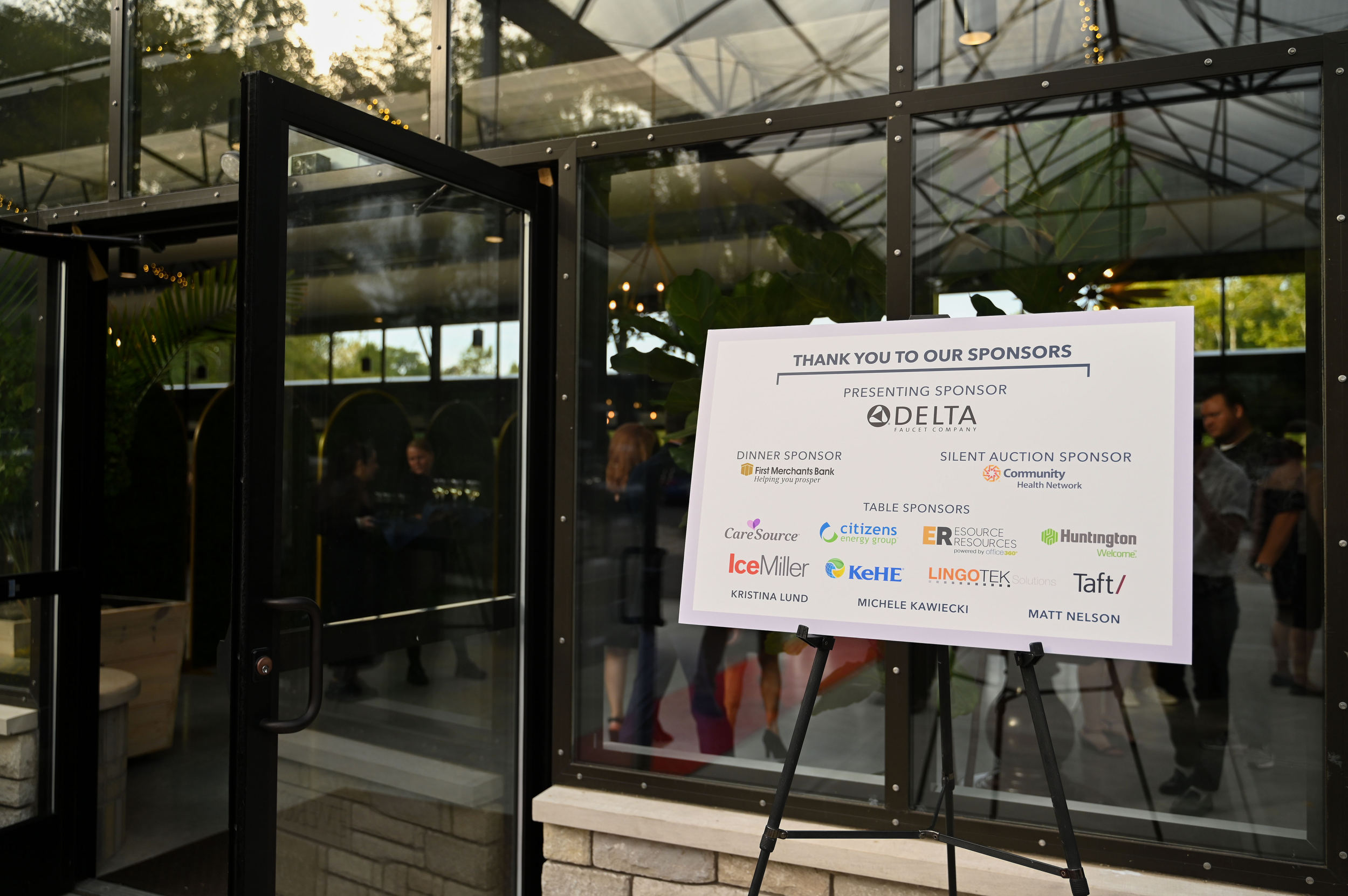






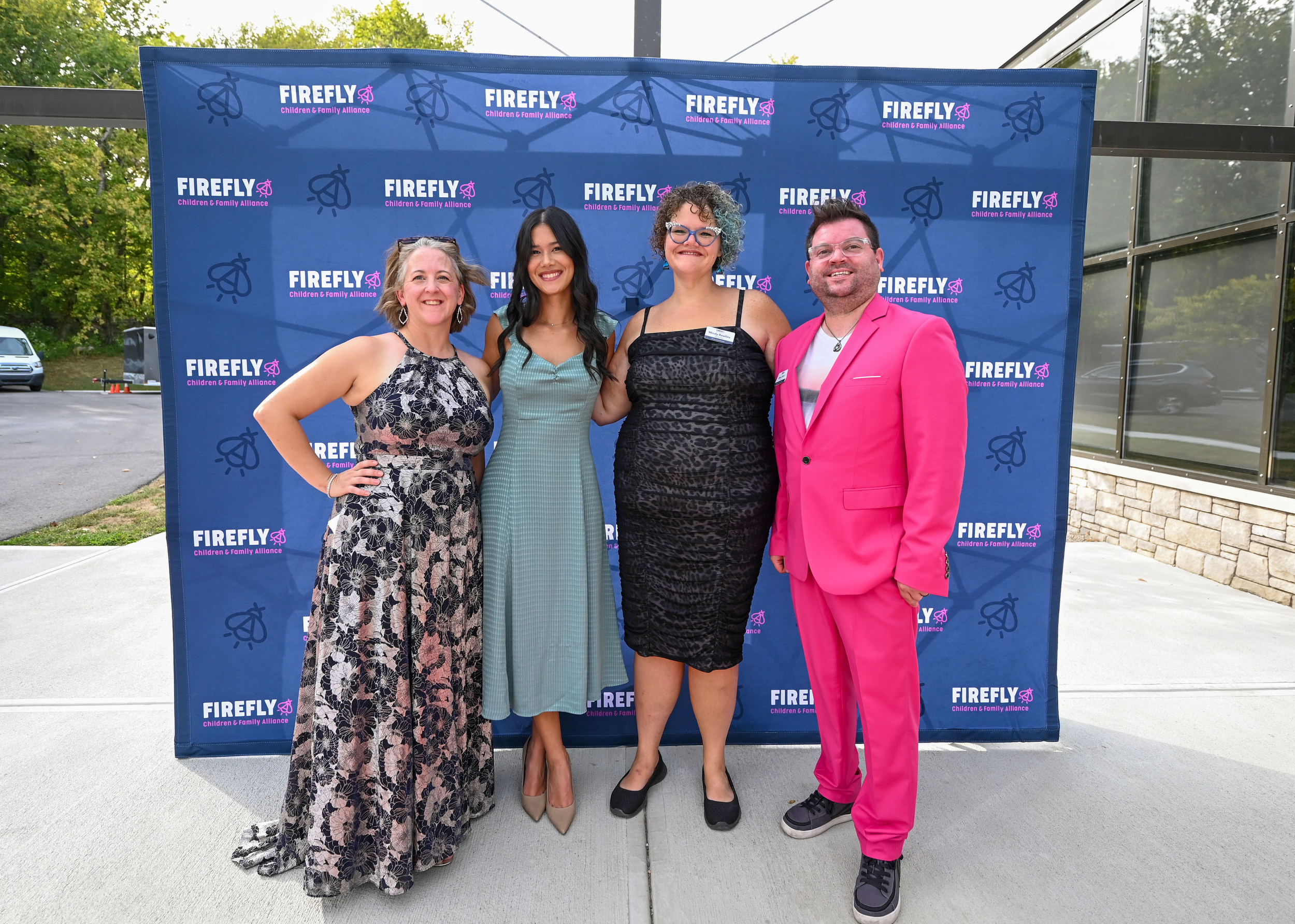




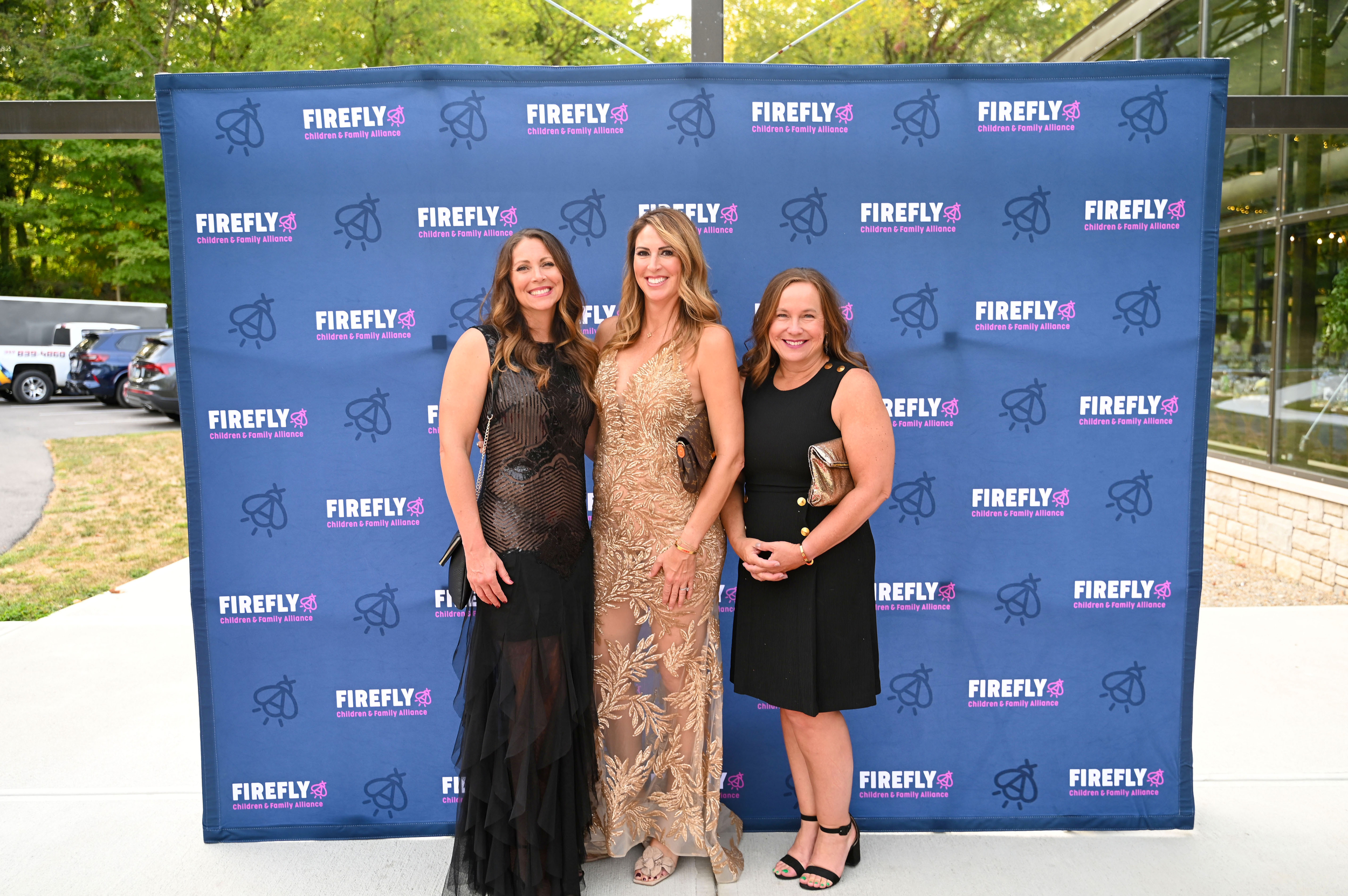



















































The post The Family Table 2024 appeared first on Firefly Children and Family Alliance.
]]>The post Kris’ Corner – Spend Time with your Other Kids appeared first on Firefly Children and Family Alliance.
]]>So what do I mean by that? Well, I’m coming at this from the presumption that if you are fostering or have adopted, there might be more than one child in your home AND there’s at least one kiddo in your home that needs a little bit more of you. I realize also it’s possible that it’s a biological child that needs more of you. If there’s more than one child in the home, I am just making an assumption that there is probably not an equal balance of your time because at least one child needs more attention.
That’s definitely true in our family’s home. Our youngest, who was adopted through foster care, has a lot of needs and requires a greater percentage of our time than our other two. Granted, our older ones are 11 and 13 years older than him and are adults at this point.
All that set up to say: I wish I could say that I did a better job of taking the advice that I am about to give, but I really did not feel like I had margin at the time. I probably did, in all honesty, but I just did not choose it. I don’t even know if it occurred to me. I was so overwhelmed with caring for a medically-fragile baby that the other boys were pushed to the side. Now, even years following his adoption, our youngest son continues to require a lot of us…as well as anyone whom he’s with.
My point in all this and my encouragement today is to spend time with your other kids. The ones who don’t seem to require as much of your time. If they are neurotypical and not come from trauma, they have possibly taken a backseat in many ways. And because they’re neurotypical, they have probably not necessarily told you or shown you that they need you.
But they definitely still need you. And even more so than you might believe.
As I mentioned in a previous post, I got all wrapped up in being a foster parent and lost a lot of myself to that identity. And one of the things I will admit that I seemed to forget for a while was that I was biological mother to two amazing kids who still needed me. And even though they’re now adults, they still need me. Obviously it looks different now, but it is still important to feed into those relationships, apart from the child with the additional needs.
For instance, we love to do things together as a family (or with as many of us as possible). But one of the boys who is home from college for the summer and preparing for his senior year…and he recently discovered that he likes to do puzzles.
Now we would work on puzzles sometimes as part of our homeschool day when he was younger and he would always complain about it…so I (and he) had always assumed that this just wasn’t his jam. But we recently took a big family vacation a couple months ago and we were supposed to have Wi-Fi in the apartment where we stayed, but we never were able to connect to it. They did, however, have a stash of puzzles there, so we started doing puzzles in our free time instead of staring at a screen. He and I were the ones most engaged in it and that has continued since we’ve been back.
And since we’ve been doing this together, I have realized this is probably the first thing ever that he and I have done together without anyone else…just the two of us. And that makes me so sad that he’s 21 years old and we just now figured this out.
But the fact that he is leaning into this and asking me to spend time with him to work on a puzzle…even going so far as to buy puzzles for us to do…it shows me that he wants that time with me.
So, I guess all that to say is don’t neglect your relationships with your other kids, even if they seem fine, or even if they seem like they don’t need you. They do need you and a connection to you. They might not even realize how much.
Sincerely,
Kris
The post Kris’ Corner – Spend Time with your Other Kids appeared first on Firefly Children and Family Alliance.
]]>